Well Water Testing in Alexandria Township, NJ
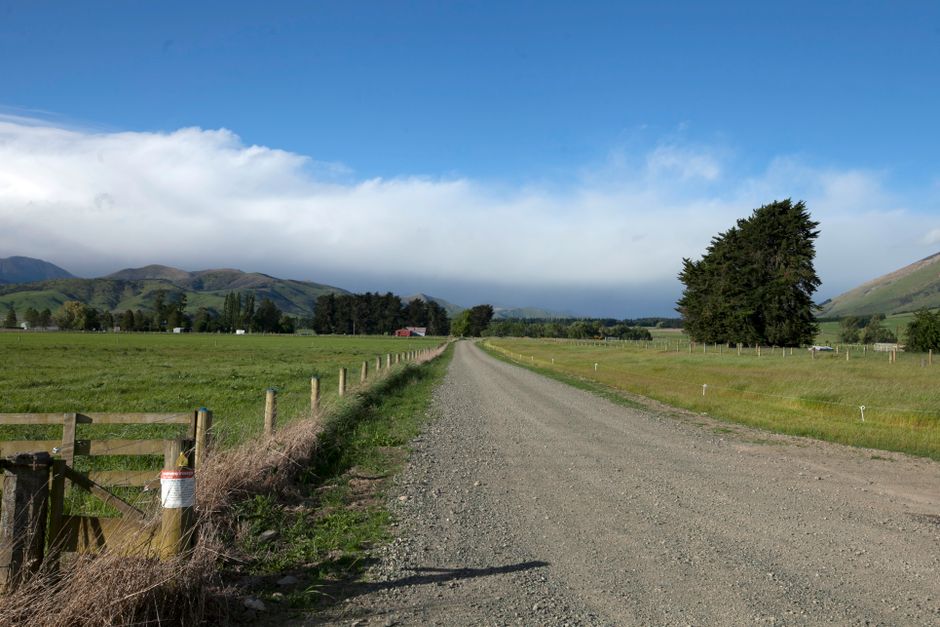
Alexandria Township is one of Hunterdon County's oldest municipal boundaries, formed by royal charter in 1765 out of portions of Bethlehem Township and named for James Alexander, a colonial-era surveyor and New Jersey attorney general who once held 10,000 acres in the area. About 4,800 people live across nearly 28 square miles in the county's northwest, and the state's records show how much of that land runs on wells: 863 PWTA tests since 2002, and almost none of the township inside a mapped public water service area. If you are selling or buying here, the water test is close to a given, so it helps to know what earlier tests in the township have found.
What well tests in Alexandria Township have found
NJDEP publishes the results of the Private Well Testing Act tests it receives, summarized by municipality. For Alexandria the record runs from September 2002 through December 2024 and covers 863 wells, each tested before any treatment. The standout is arsenic: 23.5% of those wells were above New Jersey's 5 µg/L limit, against 15.7% for Hunterdon County as a whole. The rest of the picture:
- pH: 34.4% of wells fell outside the optimum range (county: 28.1%).
- Iron and manganese: 18.5% exceeded the iron nuisance standard and 8.2% the manganese standard (county: 16% and 10.9%).
- Bacteria: total coliform turned up in 21.2% of wells, and E. coli in 2.9%.
- Nitrate and solvents: 0.7% above the nitrate limit, 0% above any solvent (VOC) limit.
- Radiological: gross alpha above its limit in 1.5% of 816 wells; uranium in 0% of 243 wells.
- PFAS: 0% of 116 wells tested since PFAS joined the panel in late 2021.
A high arsenic rate alongside almost no radiological, solvent or PFAS exceedances describes a township whose main issue is naturally occurring, not the result of a spill or a nearby industry.
The rock beneath Alexandria
The NJ Geological Survey's generalized bedrock map puts roughly 87% of the township on Triassic siltstone, shale, sandstone and conglomerate, the sedimentary rock of the Newark Basin, with the remaining 13% in the northwest on the older gneiss and granite of the Highlands. Research on the Newark Basin ties elevated arsenic to its red mudstone and siltstone, which fits what the well data show here. It also explains why a result can change over a short distance, because each well draws from fractures in the rock around it. Our post on why two wells on the same street can test differently walks through that.
Public water or a private well?
NJDEP's public water purveyor map (2017) shows only a sliver of Alexandria, about 1.2%, inside any mapped service area, an edge of NJ American Water's Frenchtown system. Nearly every home in the township is on a private well, and nearly every sale triggers a PWTA test. Neighbors Frenchtown and Milford are different, since each has a public system covering much of the borough. If you are unsure about a specific address, ask the seller or the township before assuming.
Buying or selling in Alexandria Township
With roughly one in four tested wells above the arsenic limit, an elevated arsenic result is not unusual here, and it is worth planning for. Both buyer and seller must receive and review the results before closing, and New Jersey law does not say who orders or pays for the test, so that is negotiated in the contract. Two practical points follow from the local numbers:
- Test early. A result that needs follow-up, such as treatment quotes or a retest, is far easier to handle with weeks left than days. Lab turnaround varies, so ask when you schedule.
- Read the whole report. Arsenic is the likeliest surprise, but low pH and iron are common enough here to matter for plumbing and appliances. Our guide to reading your test report explains each line.
If a result comes back over a limit, the treatment referral page covers what typically happens next.
Renting out a property in Alexandria Township
Landlords on private wells must retest at least every five years and give each tenant a copy of the results within 30 days of receiving them. Farmhouses, cottages and multi-unit properties are common in a township this size, and the clock runs per property. A well whose last test predates December 2021 has no PFAS result on file, so the next retest will be the first to check for it. Details are on the landlord testing page.
How this compares with neighboring towns
Percent of tested wells above the limit for arsenic and gross alpha, or outside the optimum pH range, with the number of wells behind each figure:
- Holland Township: arsenic 9.3%, pH 35.1%, gross alpha 3.2% (800 wells)
- Bethlehem Township: arsenic 0.4%, pH 64.9%, gross alpha 3.1% (690 wells)
- Kingwood Township: arsenic 43%, pH 5.5%, gross alpha 13% (688 wells)
- Union Township: arsenic 6.5%, pH 43.9%, gross alpha 0.5% (616 wells)
Questions from Alexandria homeowners
Is high arsenic a reason to walk away from a house?
Not by itself. Arsenic in this area is naturally occurring, treatment systems for it are well established, and a result simply tells you what to budget for. What matters is finding out before closing.
Do I need uranium testing here?
Yes, it is part of the county's required panel. Locally, none of the 243 Alexandria wells tested for uranium exceeded the limit, but the requirement applies regardless of how the local numbers look. See why Hunterdon requires it.
Will my neighbor's result match mine?
Possibly not. Next door, Bethlehem Township sits entirely on Highlands rock and looks almost opposite: 0.4% of its wells exceeded the arsenic limit, but 64.9% were outside the optimum pH range. Even inside Alexandria, the mix of Newark Basin and Highlands rock means results can differ from one side of the township to the other.
Also nearby: Kingwood Township, Holland Township, Franklin Township and Union Township.