Well Water Testing in Frenchtown, NJ
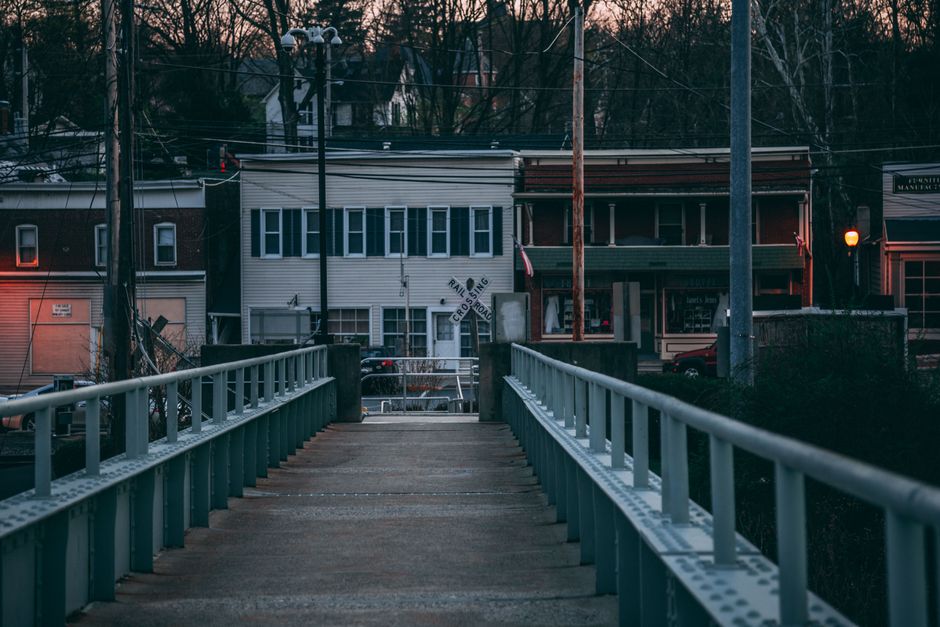
Frenchtown sits directly on the Delaware River on the edge of the Hunterdon Plateau, about 32 miles northwest of Trenton. Its name traces to Paul Henri Mallet-Prevost, a French-speaking Swiss refugee from the French Revolution who purchased the tract in 1794. The settlement had previously gone by Alexandriaville and Sunbeam before Frenchtown stuck. With just under 1,400 residents in a little over one square mile, it is one of the county's smaller boroughs, and for water it is a study in contrasts: most of the borough is on a public system, but the handful of wells that have been tested here have some of the highest arsenic results in Hunterdon.
What well tests in Frenchtown have found
NJDEP's Private Well Testing Act summary (September 2002 to December 2024) covers 46 untreated Frenchtown wells. That is a small sample, so the counts are shown beside the percentages.
- Arsenic: 67.4% of wells, 31 of 46, exceeded New Jersey's 5 µg/L limit. That is the highest rate of any Hunterdon municipality with a published figure and more than four times the county's 15.7%.
- Gross alpha: 7%, or 3 of 43 wells, above the limit (county: 5.8%). None of 15 wells exceeded the uranium limit.
- Bacteria: total coliform in 17.4% of wells (8 of 46); E. coli in 1 of 46.
- pH, iron and manganese: 4.3% outside the optimum range, 8.7% above the iron standard and 2.2% above the manganese standard, all low.
- Nitrate and solvents: none of the 46 wells exceeded the nitrate limit or a solvent (VOC) limit.
Too few wells have been tested for PFAS to publish a Frenchtown figure.
The rock beneath Frenchtown
The NJ Geological Survey's generalized map puts essentially the whole borough, about 99%, on Triassic siltstone, shale, sandstone and conglomerate, the Newark Basin's sedimentary rock. Research on the Newark Basin ties naturally occurring arsenic to its red mudstone and siltstone, and the wells here fit the pattern strongly. Across the twelve Hunterdon towns that sit almost entirely on this rock, about 22% of tested wells exceed the arsenic limit. Frenchtown's tiny sample runs far higher, which may reflect its small numbers, but neighboring Kingwood Township sees 43% across 688 wells, so the high end of the range is real.
Public water or a private well?
NJDEP's 2017 purveyor map shows about 96.7% of the borough inside the mapped service area of NJ American Water's Frenchtown system. That is why so few wells have been tested here: there are few well-served properties left to sell or rent. It is also why the address matters. A home inside the service area is almost certainly on public water; a property at the edge, or one that kept an old well for irrigation, may not be. Ask for a recent water bill, or look for a well cap and pressure tank.
Buying or selling in Frenchtown
If the property is on the borough system, no PWTA test is required for the sale. If it is on a well, the sale comes with the full county panel, and this is one of the places where arsenic should be expected.
- Do not read a small sample as reassurance. Thirty-one flagged wells out of forty-six is a strong signal, even if the borough is small.
- Order the test early. An arsenic result over the limit leads to treatment quotes and a confirmation retest, and both take time.
- Ask whether any treatment is already installed. The PWTA sample is drawn from the untreated well, so an existing system will not show in the result, but it matters to the buyer.
Both parties must receive and review the results before closing, and the contract decides who pays. The PWTA page covers the panel, and the treatment referral page covers what usually follows an elevated result.
Renting out a property in Frenchtown
A rental on a private well needs a retest at least every five years, with a copy to each tenant within 30 days. Rentals on the borough system are not covered by the well-testing rule, which is likely most of them. A landlord with a well in the borough should treat arsenic as the result to watch. A test from before December 2021 will not include PFAS. See landlord testing.
How this compares with neighboring towns
Percent of tested wells above the limit for arsenic and gross alpha, or outside the optimum pH range, with the number of wells behind each figure:
- Alexandria Township: arsenic 23.5%, pH 34.4%, gross alpha 1.5% (863 wells)
- Kingwood Township: arsenic 43%, pH 5.5%, gross alpha 13% (688 wells)
Questions from Frenchtown homeowners
I am on the borough system. Should I still test my water?
There is no legal requirement, and the utility tests what it delivers. NJDEP's NJ Water Check database publishes those results. A private tap test is optional, and the plumbing inside the house is the remaining variable.
Is arsenic common in Frenchtown water?
In the wells that have been tested, yes. The sample is small, but the pattern matches the rock and the neighboring townships. Arsenic cannot be seen, smelled or tasted, so testing is the only way to know.
Does the county's uranium requirement matter here?
It applies to any well, though none of the 15 Frenchtown wells tested exceeded the uranium limit. See why Hunterdon requires it.
Also nearby: Alexandria Township.