Well Water Testing in Hampton, NJ
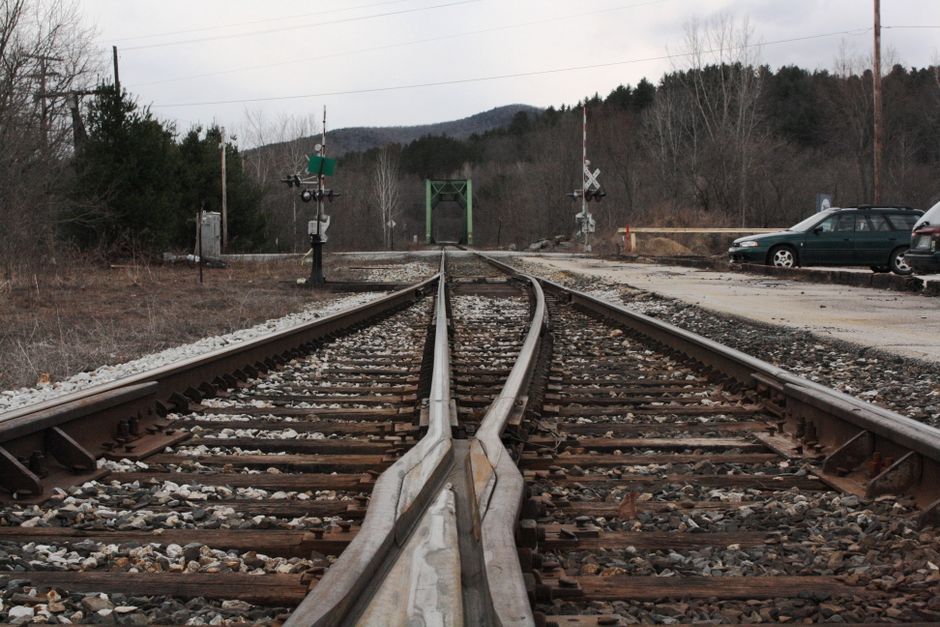
Hampton sits on the banks of the Musconetcong River and was originally incorporated in 1895 as "Junction", a name earned because the Central Railroad of New Jersey and the Delaware, Lackawanna and Western Railroad once crossed through the borough. It took its current name in 1909. With about 1,440 residents in just over 1.5 square miles, it is one of Hunterdon's smaller boroughs, and its water record is short. NJDEP has only 24 well tests on file for the borough since 2002, which means every finding below comes with a warning about sample size.
What well tests in Hampton have found
NJDEP's Private Well Testing Act summary (September 2002 to December 2024) covers 24 untreated wells. At this size, one well shifts a percentage by about four points, so counts appear beside percentages.
- Gross alpha: 20% of wells, 4 of 20, exceeded the limit, compared with 5.8% countywide. It is the most notable result, and the sample behind it is small.
- pH: 54.2%, or 13 of 24 wells, were outside the optimum range (county: 28.1%).
- Bacteria: total coliform in 6 of 24 wells (25%); E. coli in 1 of 24.
- Iron and manganese: 5 of 24 wells above the iron standard; none above the manganese standard.
- Arsenic: none of the 24 wells exceeded the limit.
- Nitrate: 1 of 24 wells exceeded the limit; no solvent (VOC) exceedances.
Too few wells have been tested for uranium or PFAS to publish borough figures.
How much to trust a small sample
The gross alpha number deserves the most careful reading. Four wells out of twenty is a striking rate, but a handful of results can swing it, and no one should conclude that Hampton has a radiological problem from it. What the figure does justify is not skipping the gross alpha line on a Hampton report. It also matches the wider picture: both Bethlehem Township and Lebanon Township nearby record lower gross alpha rates, so the borough's own testing is the only way to know where a specific well falls.
The rock beneath Hampton
The NJ Geological Survey's generalized map puts about 55% of the borough on Precambrian gneiss and granite and 45% on Cambrian limestone and sandstone, all in the Highlands province. The combination explains why generalizing is hard: crystalline rock and limestone-bearing rock can produce different water within a few hundred yards. Across Hunterdon's Highlands towns, arsenic is rare and acidic water is common, and Hampton's results fit that.
Public water or a private well?
NJDEP's 2017 purveyor map shows about 57.6% of the borough inside the mapped service area of Hampton Borough's water system. A part of neighboring Glen Gardner also lies inside it. That leaves a substantial share of properties without a mapped connection, and 24 wells tested over twenty-two years show that wells are still in use. Confirm the connection type for the specific address; a borough water bill is the quickest evidence.
Buying or selling in Hampton
If a home is on the borough system there is no PWTA test. If it is on a well, the county panel applies, and the local pattern suggests paying attention to two results.
- pH and corrosion. About half of tested wells were outside the optimum range, so ask about plumbing and any neutralizing system.
- Gross alpha. If flagged, an elevated result usually leads to more specific analysis to identify what is causing it, so build in time.
Both parties must receive and review the results before closing, and the contract decides who pays. See PWTA testing.
Renting out a property in Hampton
A rental on a private well needs a retest at least every five years, with a copy to each tenant within 30 days. Rentals on the borough system are not covered. A test from before December 2021 will not include PFAS. See landlord testing.
How this compares with neighboring towns
Percent of tested wells above the limit for arsenic and gross alpha, or outside the optimum pH range, with the number of wells behind each figure:
- Lebanon Township: arsenic 0.6%, pH 54.4%, gross alpha 2.8% (1,084 wells)
- Bethlehem Township: arsenic 0.4%, pH 64.9%, gross alpha 3.1% (690 wells)
Questions from Hampton homeowners
Should I be alarmed by the gross alpha figure?
No. It is a small sample, and the honest reading is that it is a reason to look closely at your own result. Our guide to reading your report explains the line.
What about the limestone in the borough's rock?
Cambrian limestone and sandstone underlie roughly 45% of the borough, and limestone-bearing rock can produce different water from the crystalline rock around it. The local record is too small to say how, so the honest answer for any specific well is to test it and read the results, not to assume.
If I am not selling, how often should I test?
The New Jersey Department of Health encourages well owners to test every year for total coliform, nitrate and pH, and at least once for arsenic, mercury, gross alpha and uranium. With a gross alpha result this notable in a small sample, an owner who has never tested for it has good reason to do so once.
Is the uranium requirement relevant?
It applies to any well in the county. See why Hunterdon requires it.
Also nearby: Bethlehem Township, Glen Gardner and Lebanon Township.