Failed Well Water Test? Treatment Referral & Consultation — Hunterdon County, NJ
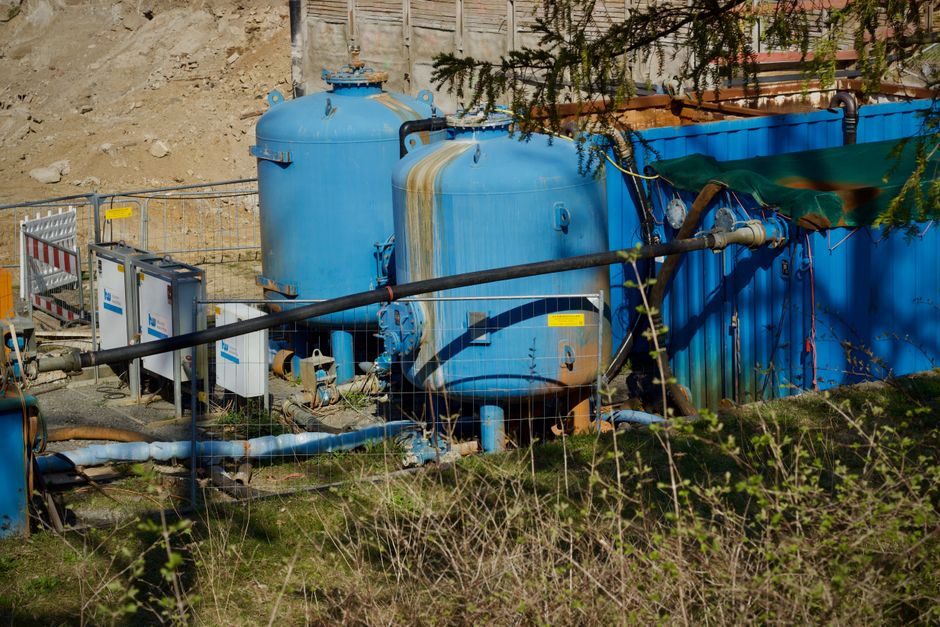
A test result outside the acceptable range isn't the end of a sale or a crisis in a rental — it's a solvable problem, and most of the contaminants that show up in this region (naturally occurring iron, manganese and arsenic, and occasionally elevated nitrate) have well-established treatment approaches with a long track record. What matters is understanding exactly what your report is telling you and getting connected to someone qualified to fix it, rather than guessing at a generic filter and hoping it addresses the actual issue. We walk you through your results in plain language and connect you with a qualified local water treatment provider — we don't install or service treatment systems ourselves, and we're careful not to claim otherwise.
What typically happens after a failing or borderline result
- Understand the specific parameter(s) that came back elevated — the fix for bacteria is completely different from the fix for arsenic, which is different again from a radiological result like uranium or gross alpha activity. Treating a water quality issue starts with knowing exactly what you're treating.
- Get a referral to a qualified treatment provider suited to that specific issue — filtration, UV disinfection, reverse osmosis, ion exchange, or well remediation, depending on what your results actually call for.
- Retest after treatment to confirm the system is actually resolving the issue. A treatment system that's installed but never verified against a follow-up test is a guess dressed up as a fix — and for a real estate transaction or landlord compliance, a confirming retest is often part of what's actually required to close out the issue.
Common Hunterdon-specific issues and their general treatment category
- Naturally occurring iron/manganese — typically addressed with oxidizing filtration; mostly an aesthetic issue (staining, taste, plumbing buildup) rather than a direct health concern at typical levels found here.
- Elevated nitrate (uncommon in Hunterdon: fewer than 1% of the 13,700 wells NJDEP has tested county-wide exceeded the limit) — usually reverse osmosis or ion exchange; a particular concern for infants and pregnant women, so this is one worth addressing promptly rather than deferring.
- Bacteria (coliform/E. coli) — typically shock chlorination as a first step, sometimes followed by UV disinfection for an ongoing solution; also the category where a fast follow-up matters most since it points to a contamination pathway that ideally gets identified, not just treated around.
- Uranium or gross alpha activity above the limit — tied to naturally occurring uranium in the region's bedrock (see why Hunterdon requires uranium testing); typically requires specialized filtration (ion exchange or reverse osmosis rated for radiological removal). This is one to get a genuinely qualified referral for rather than a generic fix, since not every filtration system is rated for it.
- PFAS — generally requires activated carbon or reverse osmosis systems specifically rated for PFAS removal; see our PFAS deep-dive for more on why this category needs a dedicated approach rather than a general-purpose filter.
What this means for a real estate transaction specifically
An elevated result doesn't automatically kill a sale. In practice, it usually gets resolved one of a few ways: a negotiated credit or price adjustment so the buyer can install treatment after closing, the seller installing (and confirming via retest) a system before closing, or an agreed retest if the initial result seems potentially anomalous. Which path makes sense depends heavily on the specific parameter and how far outside the standard it came back. See our buyer's step-by-step guide for how this typically plays out in a purchase contract.
How long the fix-and-confirm cycle usually takes
Once you have a referral, timelines vary by the type of treatment: a straightforward shock chlorination for a bacteria issue can often be completed and retested relatively quickly, while a filtration or reverse osmosis system for something like arsenic, uranium, or PFAS may take longer to source and install correctly, especially if it needs to be sized specifically for your well's flow rate and the exact concentration found. Budget for the confirming retest as part of the total timeline, not an afterthought — a system that "should" work isn't the same as a system verified to actually work at your property.
What we don't do
We are not a treatment installer, and we don't hold ourselves out as one. Our role is interpreting your results in plain language and pointing you to someone qualified for the specific issue you actually have — not selling or installing a one-size-fits-all system.
Related reading
Got a result you don't understand, or need a referral for a specific issue? Call (908) 493-5028 or send us the details.