Well Water Testing in Lambertville, NJ
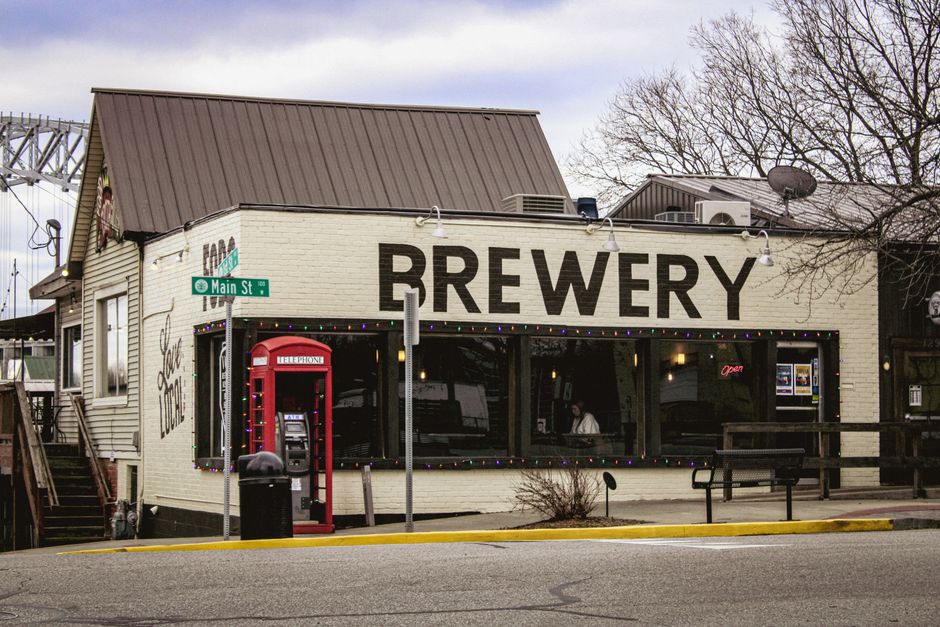
Lambertville sits on the Delaware River directly across from New Hope, Pennsylvania. Originally known as Coryell's Ferry, it was renamed in 1810 for John Lambert, a former U.S. senator and acting New Jersey governor, and grew into a factory and mill town before reinventing itself as an arts and tourism destination starting in the 1980s. About 4,140 people live in just over one square mile, which makes it one of the densest places in Hunterdon County, and nearly all of it is inside the service area of a public water system. That is why the PWTA question here is narrower than in most of the county, and why the few wells that have been tested deserve a careful read.
What well tests in Lambertville have found
NJDEP's Private Well Testing Act summary (September 2002 to December 2024) covers 122 untreated wells in the city, a modest sample given that the city has a public system.
- Total coliform: present in 33.6% of wells, about a third and well above the county's 23.1%.
- E. coli: present in 7.4%, or 9 of 122 wells, more than double the county's 3.3%.
- Arsenic: 10.7% exceeded the limit, 13 of 122 wells (county: 15.7%).
- pH: 23% outside the optimum range (county: 28.1%).
- Iron and manganese: 14.8% and 7.4%.
- Radiological: 2 of 112 wells above the gross alpha limit; none of 24 above the uranium limit.
- PFAS: 4 of 16 wells exceeded a PFAS limit. That is a sample of sixteen, so treat it as a caution and not a rate. It does show that testing is worth doing.
- Nitrate and solvents: no nitrate exceedances; 1 of 122 wells above a solvent (VOC) limit.
Public water or a private well?
NJDEP's 2017 purveyor map shows about 99.4% of the city inside the mapped service area of the Lambertville water system, listed by the state as Veolia Water NJ Lambertville. So for most addresses, the answer is public water, and no PWTA test is needed at a sale. The 122 wells tested over twenty-two years are properties that were not connected, or were being tested for another reason, and they show that a well inside a dense city can be just as vulnerable as a rural one, with a septic system or a shallow casing close by.
The rock beneath Lambertville
The NJ Geological Survey's generalized map puts about 92% of the city on Triassic sedimentary rock of the Newark Basin and 7% on Jurassic diabase. The arsenic rate here is 10.7%, below the roughly 22% average for the county's Newark Basin towns, but not zero. The bacteria numbers are not a rock story at all. They point to well construction and surroundings, which matter more in a densely built place.
Buying or selling in Lambertville
The first question is always the water source.
- Confirm the connection. A water bill from the utility is usually enough. If the property is on public water, no PWTA test applies.
- If there is a well, find out what it does. A property can keep a well for irrigation while using city water inside. Only a well serving the house triggers the test.
- Take bacteria seriously. A coliform-positive result is often addressable with disinfection and a retest, but plan for time in the closing schedule. The wells that were tested here were tested in a dense, older city, where septic systems, shallow casings and aging plumbing sit close together, and that is the setting in which bacteria most often show up.
- Ask for paperwork. With so few local records, any prior test report for the property is the best benchmark.
Both parties must receive and review the results before closing, and the contract decides who pays. The PWTA page covers the panel.
Renting out a property in Lambertville
Rentals on private wells need a retest at least every five years, with a copy to each tenant within 30 days. Rentals on the city system are not covered by the well-testing rule, which will be most of the city's rental stock. See landlord testing.
How this compares with neighboring towns
Percent of tested wells above the limit for arsenic and gross alpha, or outside the optimum pH range, with the number of wells behind each figure:
- West Amwell Township: arsenic 17.2%, pH 17.8%, gross alpha 16.6% (406 wells)
Questions from Lambertville homeowners
I am on city water. Is my water tested?
Yes, by the utility, and NJDEP's NJ Water Check database publishes the results. A private tap test is optional and mostly checks the plumbing inside the house.
Why does a city have wells at all?
A property may sit at the edge of the system or have kept an old well for irrigation. Only a well that supplies drinking water triggers the PWTA test.
If I am not selling, how often should I test?
The New Jersey Department of Health encourages well owners to test every year for total coliform, nitrate and pH, and at least once for arsenic, mercury, gross alpha and uranium. If you have a well in the city, an annual coliform test is the most useful habit given the local bacteria rates.
Should I test for PFAS?
PFAS is part of the required panel for any well sale. A wider screen than the three required compounds is optional; see PFAS testing.
Also nearby: West Amwell Township.