Landlord Well Water Testing — Hunterdon County, NJ
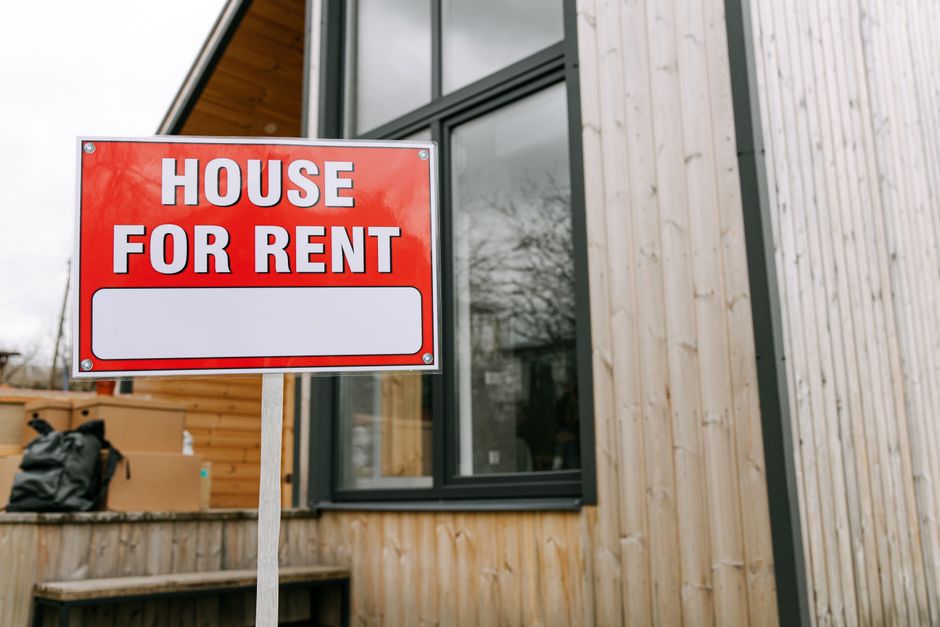
If you rent out a property on a private well in New Jersey, the Private Well Testing Act doesn't just apply once at the sale — it puts you on a recurring 5-year retesting clock for as long as you keep renting the property, and requires you to give each tenant a copy of the results. It's a distinct legal trigger from the one-time sale requirement, and it's easy to lose track of across multiple rental units, a long single tenancy, or a property you inherited already tenanted. We coordinate the scheduling and help you keep the documentation together, so an expired test doesn't surprise you when a tenant, township health department, or incoming buyer asks for proof of compliance.
What's legally required of a landlord specifically
- Retest the well at least once every 5 years, for as long as the property remains a rental — the clock doesn't stop or reset just because the tenant changes.
- Provide each tenant with a copy of the most recent test results — this is a distinct obligation from the testing itself; simply having a current test on file isn't enough if it was never actually given to the tenant.
- Keep documentation on hand — for your own liability protection as much as for compliance. If a dispute ever arises about water quality, being able to produce a current, valid test result is your strongest position.
What's tested — same standard, different schedule
The panel is identical to a sale-triggered PWTA test: the same panel of up to 43 parameters covering bacteria, inorganic chemicals (including Hunterdon's uranium requirement), VOCs/SOCs, and PFAS. See PWTA Testing for the complete parameter list and what each category actually checks for. The legal standard doesn't shrink for a rental — it's the same test, just recurring on a 5-year cycle instead of happening once at a sale.
Managing multiple properties or units
If you manage several rental properties on private wells across Hunterdon County — or a multi-unit property where each unit shares a well — tracking retest dates manually across a portfolio is exactly the kind of thing that quietly lapses. The simplest way to stay ahead of it is to stagger retests across your properties and keep one set of records with each renewal date, so you can pull up any property's results any time a tenant or township asks — ask us about scheduling retests across a portfolio.
Why staying current matters beyond the legal minimum
A well that hasn't been tested in years — sometimes since the property was originally purchased, long before it became a rental — leaves both you and your tenant with no real idea what's actually in the water. This region's geology means conditions worth knowing about don't always announce themselves through taste, smell, or appearance: naturally occurring uranium, arsenic, or elevated nitrate can be present in water that looks and tastes completely normal. A tenant living on that water for years deserves better than an assumption that "it was probably fine five years ago." And from a purely practical standpoint, a landlord who can't produce a current test if something goes wrong is in a materially weaker position than one who can.
If you're buying a property specifically to rent it out
Worth knowing before you close: if you're purchasing a well-served property with the intent to rent it, the sale-triggered PWTA test you do at closing satisfies that one-time requirement, but it also starts your 5-year landlord clock from that point forward. Factor the recurring cost into your ownership math from day one — it's a modest, predictable expense compared to discovering a lapsed requirement years later. See our buyer's step-by-step guide for the full purchase-side process.
What happens if a result comes back elevated
The same options apply as with any PWTA test: understand exactly which parameter exceeded, get a referral to the right kind of treatment for that specific issue, and retest afterward to confirm it worked. See Water Treatment Referral & Consultation for how that process works, and How to Read Your Test Report if you want to understand your own results before making any decisions.
Related reading
Not sure when your last test was, or whether you're already past your 5-year mark? Call (908) 493-5028 or send a quick note.